Gripping a pan, typing, turning a doorknob or swinging a club should not hurt. Arm pain often responds to care that looks at the whole chain, from the neck to the fingertips.
The elbow, wrist and hand do precise, repetitive work every day. When they hurt, the problem is often an overloaded tendon or an irritated nerve. The shoulder, upper back and neck can also play a role, because the arm only works as well as the base it is attached to.
Pain on the outside of the elbow from overloading the tendons that extend the wrist. Gripping, lifting with the palm down, typing and racket sports are common triggers.
Pain on the inside of the elbow from the tendons that flex the wrist and fingers. Golf, throwing, climbing and heavy gripping can all overload these tendons.
The median nerve passes through a narrow tunnel at the wrist. Pressure there can cause numbness, tingling or weakness in the thumb and first fingers, often worse at night. Nerves can also be irritated higher up, at the elbow, shoulder or neck.
Repetitive lifting, texting or carrying a new baby can irritate the tendons along the thumb side of the wrist (De Quervain's tenosynovitis) and other wrist tendons.
Osteoarthritis commonly affects the base of the thumb and the finger joints, causing stiffness, aching and a weaker grip. Inflammatory arthritis can also affect the hands.
Starting a new job, a home project, a climbing season or a heavier lifting program can load the forearm faster than its tendons can adapt. Pain often shows up a day or two after the busy stretch rather than during it.
When the shoulder blade and upper back are not doing their share, the forearm muscles often pick up the slack. Neck problems can also refer pain or tingling into the arm.
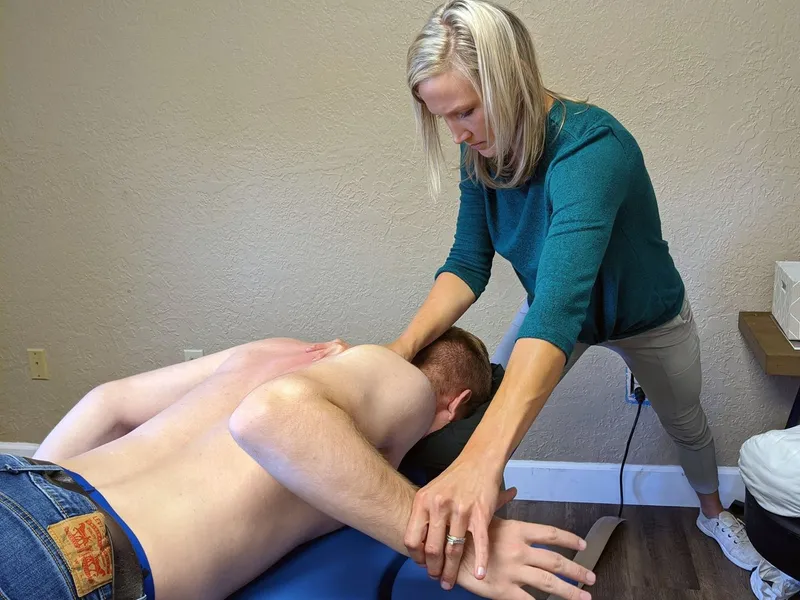
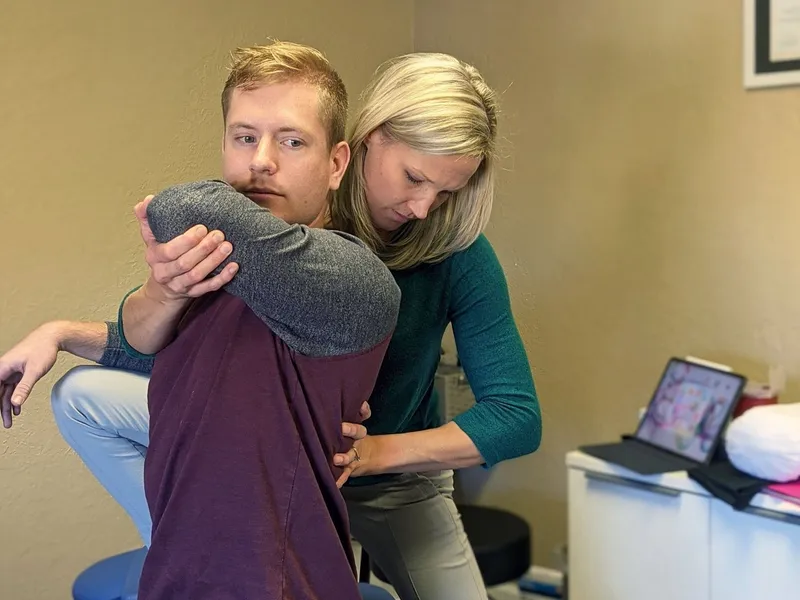
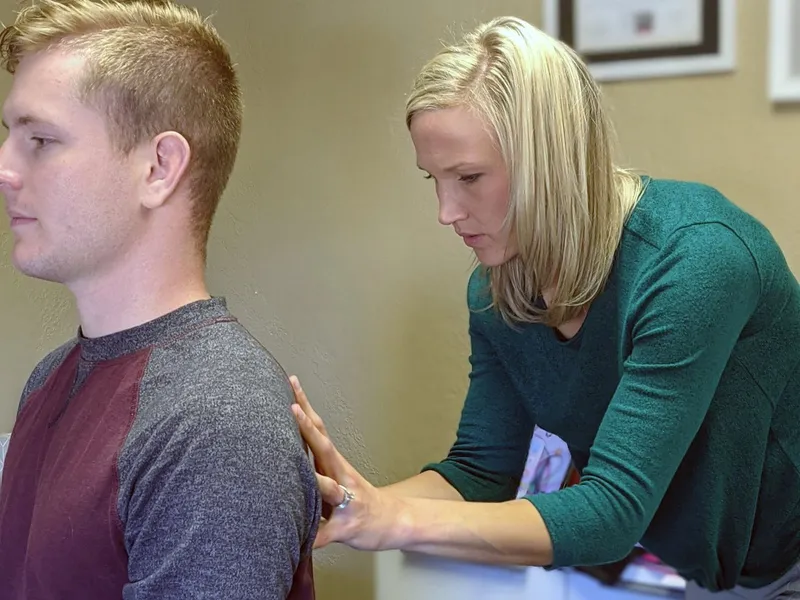
We do not stop at the elbow or wrist. Your evaluation checks the neck, shoulder, shoulder blade and grip mechanics, because forearm pain is often a symptom of a bigger pattern. Sessions are one-on-one with a doctor of physical therapy (DPT) or licensed physical therapist assistant (PTA) for the whole appointment.
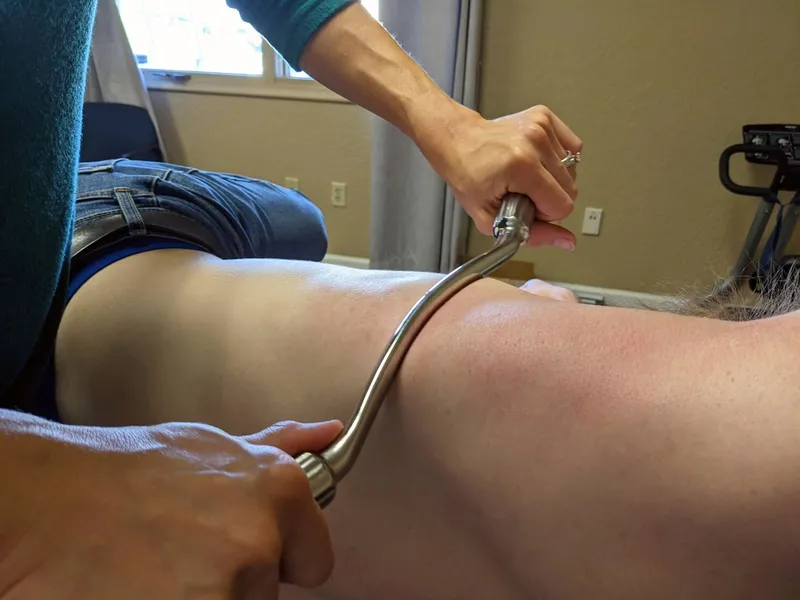
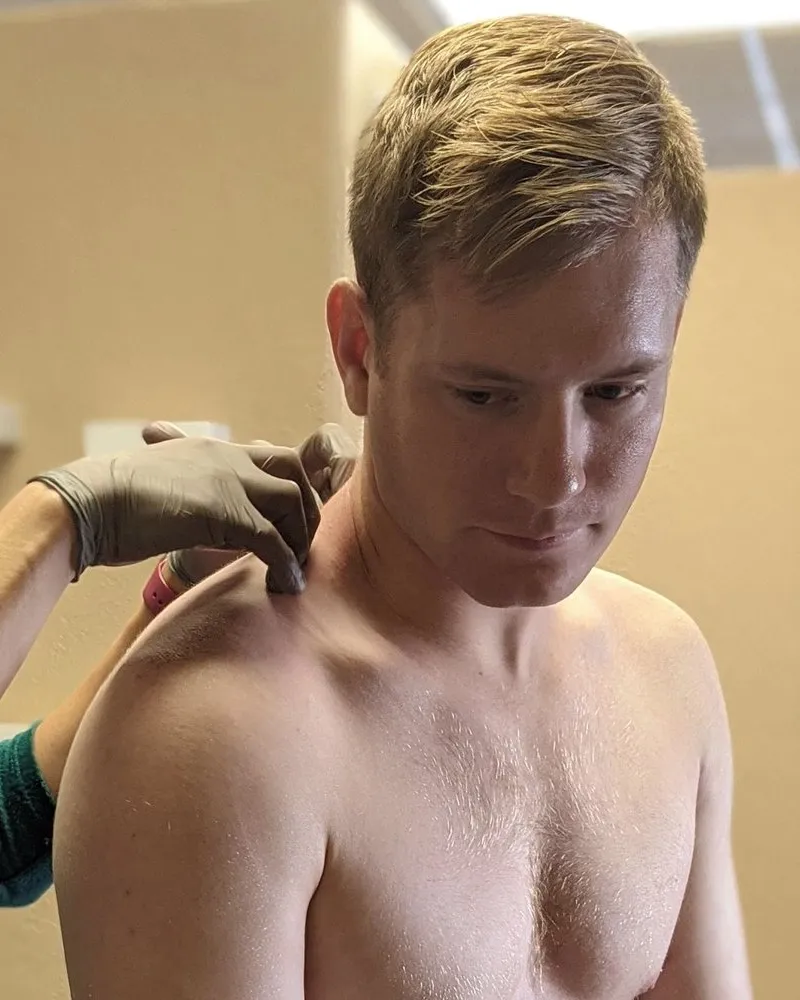
Instrument-assisted soft tissue mobilization (IASTM) suits the forearm, wrist and hand well. It helps detect and release soft tissue restrictions, and carpal tunnel and hand pain are among the conditions the clinic has long used it for. Integrative dry needling can address tight, irritated forearm and shoulder muscles, and Muscle Activation Techniques help find muscles up the chain that are not contracting well. Joint mobilization restores motion in the wrist and elbow. Then we build tendon capacity with progressive loading and look at how you grip, type, lift or swing so the problem is less likely to return. For golfers, our TPI-certified physical therapists can also look at how your body moves through the swing.
You do not need a physician referral to start physical therapy in New Mexico. Most patients come in once a week, and a few benefit from twice. Between visits, you follow a home program built for your body and your goals, so the work keeps going outside the clinic.
After a phone consultation, your 1 hour 15 minute evaluation tests strength, nerve sensitivity and motion from the neck to the fingers to find what is overloading the area.
Full treatments of about 50 minutes may include scraping, dry needling, joint mobilization and muscle activation, along with changes to the tasks that keep aggravating it.
Progressive strength work rebuilds tendon and grip capacity so you can get back to work, the gym, the garden or the golf course, with a home program to keep it that way.
The physical therapists are wonderful. They are professional, knowledgeable, and so encouraging. They have improved my motility , increased my strength and decreased the pain in my upper extremity. I highly recommend these women.

The shoulder and arm work as one unit. We assess and treat the whole chain.

Stiff, achy joints limit what you can do. We restore motion and build support.

Overuse and acute injuries from training or play, treated with your sport in mind.