Sitting out is hard. Coming back too soon is worse. Whether you lift, run, golf, or play on a team, rehab should get you back to your sport stronger, not just out of pain.
Sports injuries come in two kinds: the sudden ones, like a rolled ankle or a pulled hamstring, and the ones that build quietly from repetition until something gives. Both usually have a story behind them, such as a weak link, a stiff joint, or a training spike. Finding that story is how we keep the injury from repeating.
A sprain injures a ligament and a strain injures a muscle or tendon. Ankles, knees, hamstrings, and groins take the brunt in most sports. Without proper rehab, the injured tissue often heals weaker and less coordinated than before, which sets up the next injury.
Running mileage, lifting volume, or practices that ramp up faster than your tissues can adapt lead to tendon pain, shin splints, and stress reactions. These injuries are about load and recovery, and they respond to smarter training, not just rest.
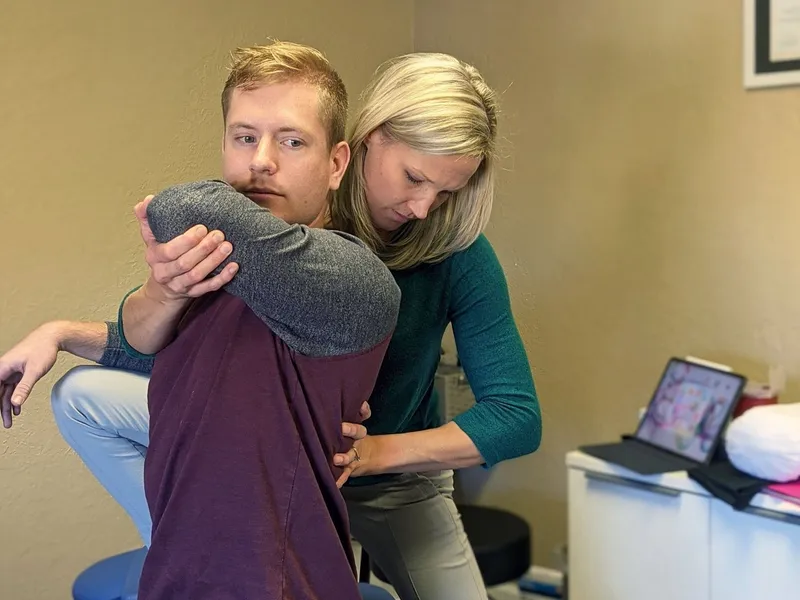
How you land, cut, squat, swing, or throw determines where stress goes. A hip that does not stabilize or a mid-back that does not rotate shifts load onto the knee, shoulder, or low back. Fixing the mechanics protects the injured area.
Growing athletes can develop irritation where tendons attach near growth plates, such as Osgood-Schlatter disease just below the kneecap. It is common in active kids during growth spurts and is usually managed with load adjustments, flexibility, and strength work.
Feeling better is not the same as being ready. Pain often fades before strength, power, and control have recovered. Going back to full play too early is one of the most common reasons an injury returns.
Fatigue changes how you move. Athletes who lack the strength, endurance, or mobility their sport demands tend to break down late in a game, a race, or a season.
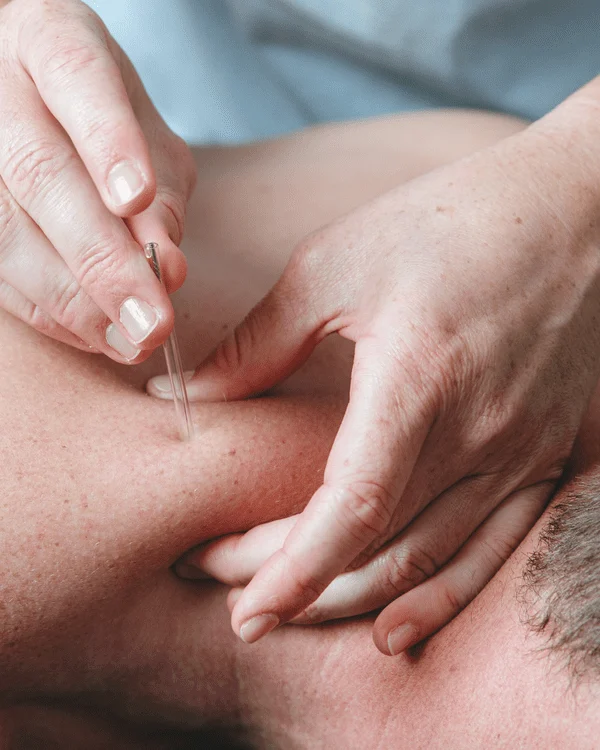
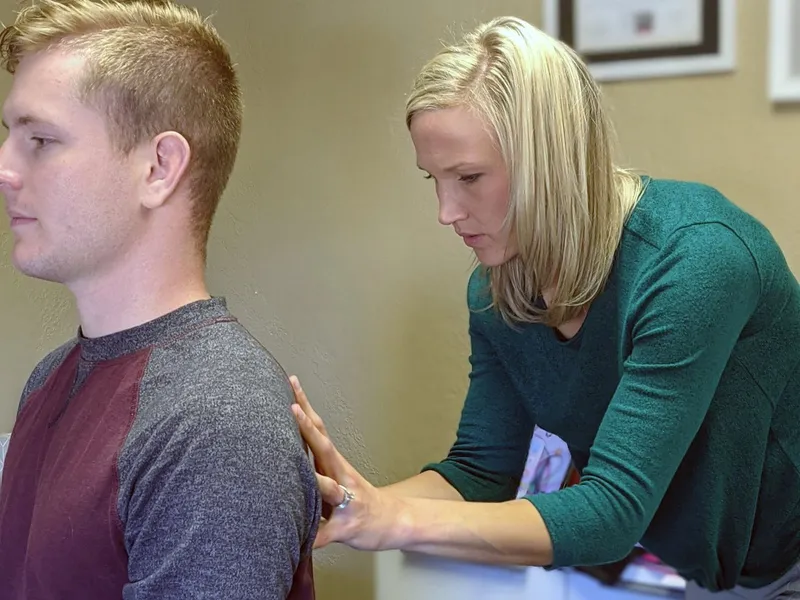
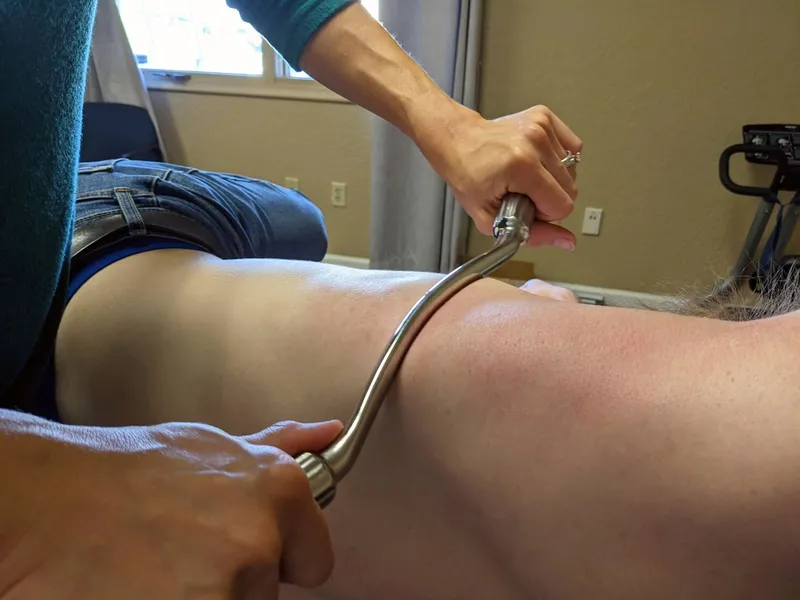
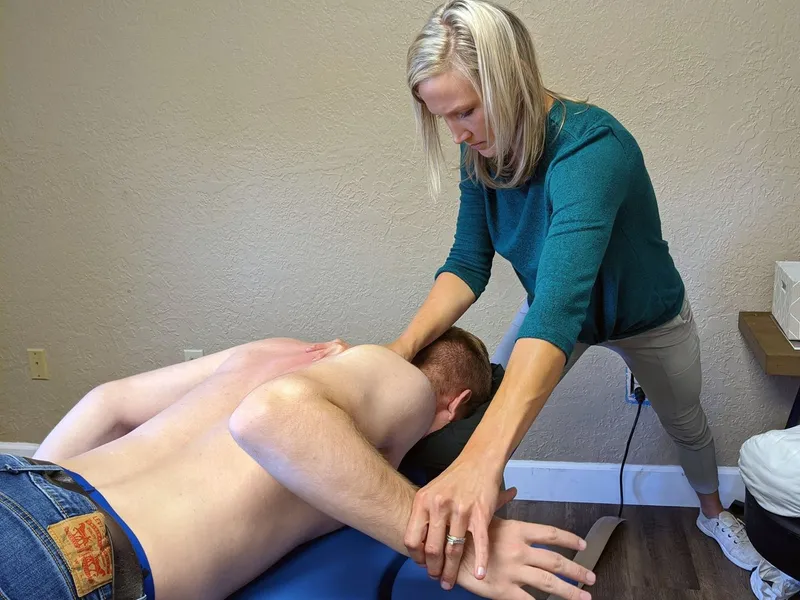
Athletes do not want to hear "rest and wait." At Maximum Impact we work with weekend warriors, runners, weightlifters, endurance athletes, golfers, and student athletes, and every visit is one-on-one with your doctor of physical therapy (DPT) or physical therapist assistant (PTA), with about 50 minutes for a full treatment. Our team includes a former personal trainer and a USA Powerlifting club-level coach, so we understand how athletes train. We look past the injured area to the whole body so we can treat the root cause. Care can include integrative dry needling and IASTM scraping for irritated soft tissue, NEUBIE stimulation paired with joint mobility drills and eccentric movement, Muscle Activation Techniques, and progressive strength training built around your sport. Golfers can add a Titleist Performance Institute (TPI) screen to see how their body affects their swing. When rehab is done, personal training and customized coaching can keep you progressing.
A short phone consultation confirms we are the right fit. Your 1 hour 15 minute evaluation covers the injury itself, the movements your sport demands, and the strength and mobility gaps that may have set it up.
Early treatment calms pain and restores motion with hands-on care and targeted exercise, while keeping you as active as is safe. Each session builds on the last.
We progress to power, speed, agility, and sport-specific drills. You return when you can meet the demands of your sport, not just when the pain fades. Most athletes come in about once a week, with a program to follow in between.
Bobbi and Eliza did a great job helping my daughter with Os-good schlatters. They were attentive and personalized her care.

ACL injuries are among the most serious in sport. Our team has experience guiding ACL reconstruction rehab back to play.

Many sports injuries land at the hip or knee. We treat the whole chain, from the foot to the trunk.

Ankle sprains are among the most common sports injuries. Real recovery means balance and stability that last.