Stairs, getting out of the car, the walk across the pickleball court. If your hip or knee has started deciding what you can do, it is time to find out why.
The hip and knee sit in the middle of a chain that runs from your feet to your trunk. When the hip lacks strength or mobility, the knee often takes the stress, and when the foot or ankle is stiff, both pay for it. That is why we treat the whole leg and the movement patterns behind your pain, not just the joint that hurts.
The muscles around the hip control how the thigh rotates and how the knee tracks with every step, squat, and stair. When they are weak or slow to activate, the knee drifts inward and the joint absorbs forces it was not built for. Many stubborn knee problems start here.
Pain around or behind the kneecap that flares with stairs, squats, or sitting for a long time usually means the kneecap is under more stress than it can tolerate. Training load, hip and thigh strength, and foot mechanics all influence it.
The labrum is a ring of cartilage that deepens the hip socket. Repetitive pivoting, deep bending, or the shape of the joint itself can irritate or tear it, causing deep groin or front-of-hip pain, clicking, or catching. Many people with labral symptoms are good candidates for a trial of physical therapy.
Pain on the outside of the hip when lying on that side, climbing stairs, or standing on one leg often involves irritated gluteal tendons and the bursa nearby. Weakness and poor hip control usually sit underneath it.
Arthritis in the hip or knee brings stiffness and aching that often worsen after rest or heavy activity. X-ray changes do not always match how much a joint hurts. Strength, mobility, and how load moves through the joint make a big difference day to day.
The meniscus cushions the knee. Twisting injuries and age-related wear can cause pain along the joint line, swelling, or catching. Old sprains and surgeries can also leave the knee stiff or the thigh muscles weak, setting up the next problem.
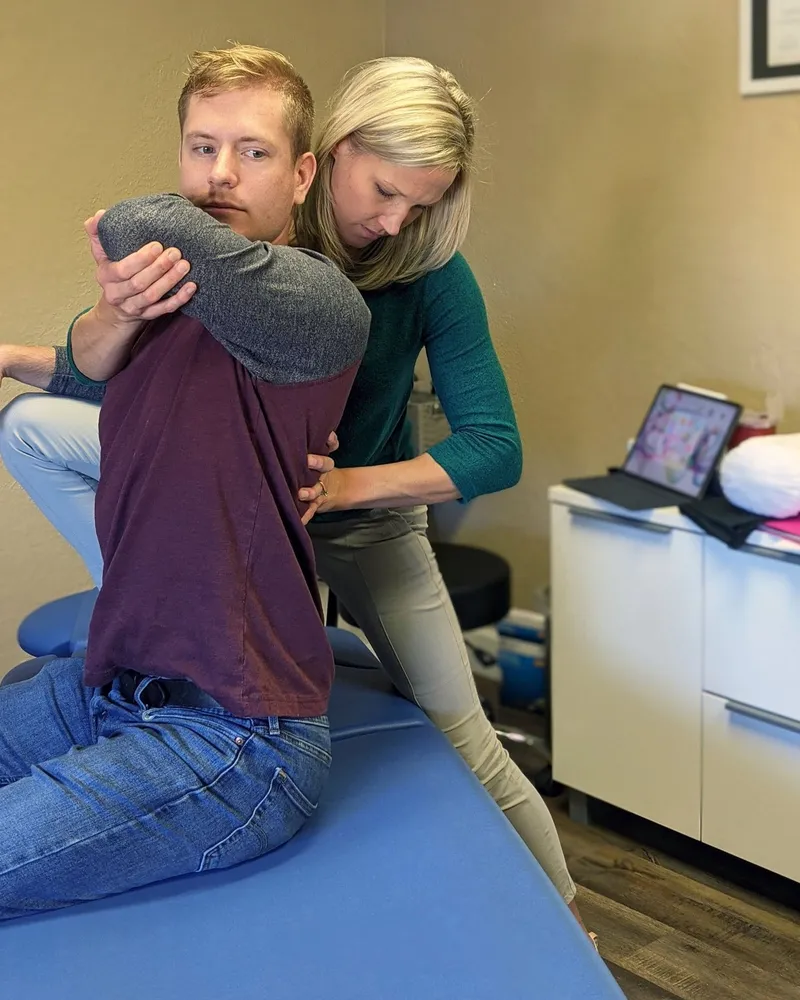
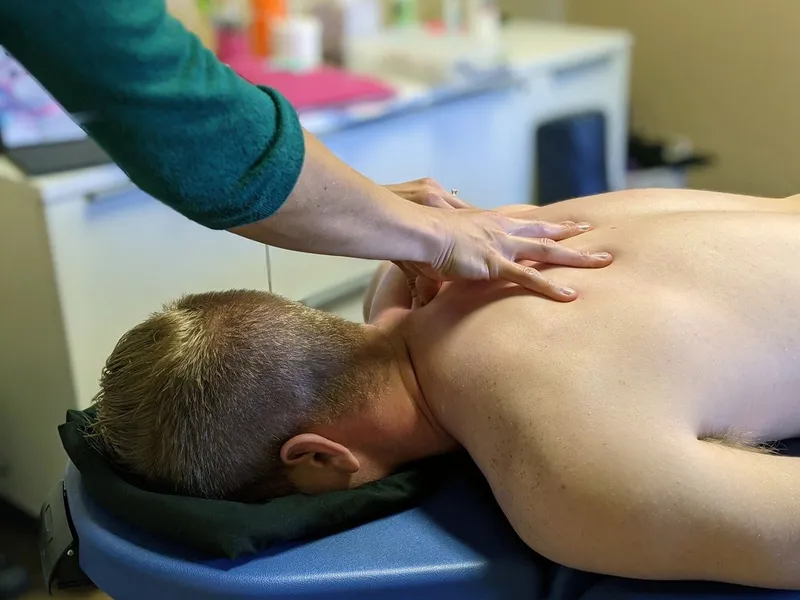
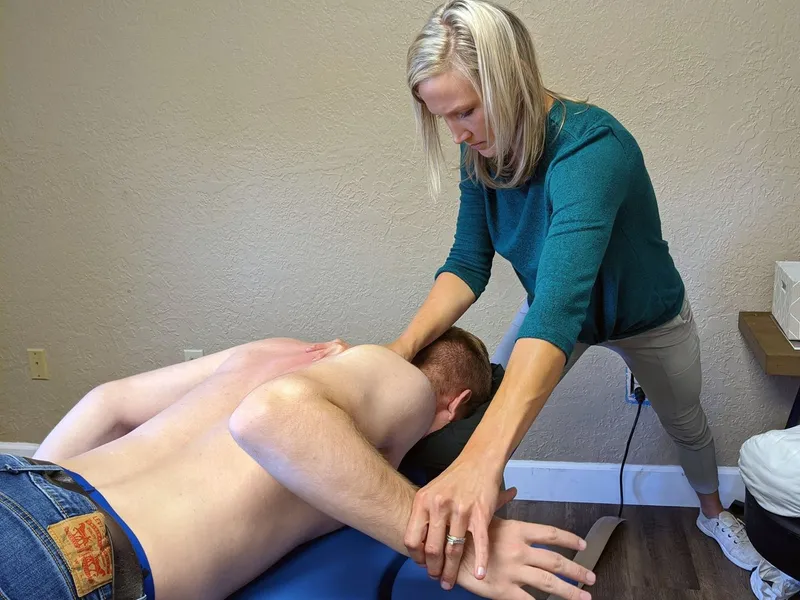
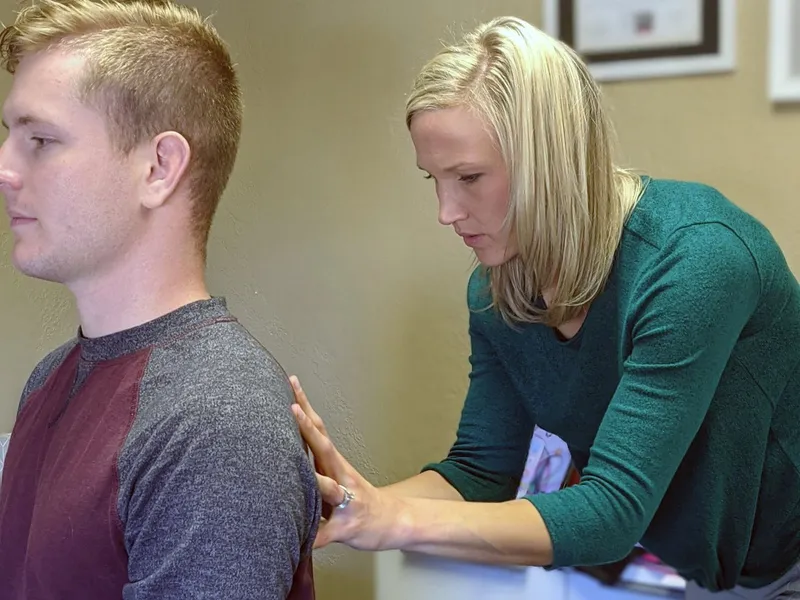
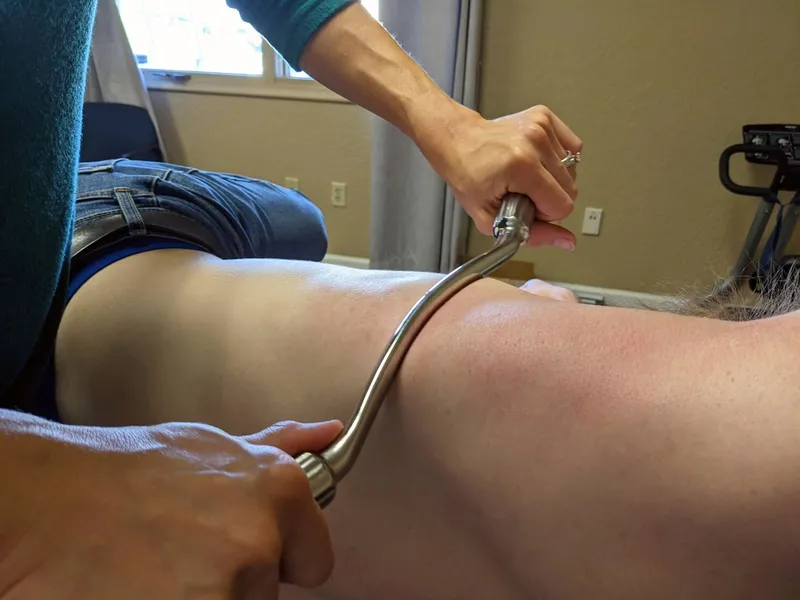
Hip and knee pain wears you down because it touches everything: walking, sleeping, sitting, and the activities you love. At Maximum Impact, your care is one-on-one with your doctor of physical therapy (DPT) or physical therapist assistant (PTA) for the whole visit, with about 50 minutes for a full treatment. We assess your feet, knees, hips, and trunk together to find the root cause, then treat it directly. That can mean Muscle Activation Techniques to restore weak or inhibited hip and thigh muscles, integrative dry needling for guarded tissue around the hip and knee, NEUBIE neuro stimulation to find and retrain muscles that are not firing well, and joint mobilization for stiff joints. Then we rebuild strength, stability, and mobility through the whole leg so you can take the stairs, hike, and get back on the court with confidence.
A short phone consultation confirms we are the right fit. Your 1 hour 15 minute evaluation looks at how you walk, squat, step, and balance, with strength and mobility testing from the foot to the trunk. You leave with a clear explanation and a plan.
Early sessions calm irritated tissue and restore motion with hands-on care, dry needling, or joint mobilization as needed, while Muscle Activation Techniques and targeted exercise wake up the muscles that should be protecting the joint.
We progress to loaded strength and single-leg control work matched to your goals, whether that is a pain-free walk, a long hike, or a pickleball match. Most patients come in about once a week, with a home program in between.
I've been to several physical therapists in Albuquerque and this one did the most for me of any of them. I had hip tears that are gone now. I have knee issues where I no longer have pain and am back to playing pickleball because these ladies are soooo good!!

The low back, hips, and knees share the load. Back stiffness or nerve irritation can show up as hip or leg pain.

What happens at the ground travels upward. Foot and ankle problems often feed hip and knee pain.

Arthritic hips and knees still respond to the right strength and mobility work. We build a plan around the joint you have.