Arthritis does not have to mean giving up what you enjoy. The right mix of hands-on care and smart movement can ease stiffness and help you stay strong for everyday life.
Arthritis is a broad term for conditions that affect the joints. Some forms come from gradual changes in cartilage, others from the immune system. Either way, how well the surrounding muscles support a joint has a big say in how it feels day to day, which is why we look at the whole body and not only the achy joint. Arthritis is common, and it is not a signal that you have to stop being active.
Osteoarthritis is the most common form. The cartilage that cushions the ends of the bones gradually thins, and the joint can become stiff, achy and sometimes swollen. It often shows up in the knees, hips, hands and spine. X-ray findings do not always match how much a joint hurts.
Rheumatoid arthritis, psoriatic arthritis and similar conditions are driven by the immune system attacking joint tissue. These need medical management from a physician. Physical therapy works alongside that care to protect joint motion, strength and function.
A past ligament tear, fracture or meniscus injury can change the mechanics of a joint for years. Over time, that uneven loading can contribute to arthritic changes in the joint that was hurt.
When a joint hurts, some muscles around it tighten to protect it while others stop working as well. Weak or poorly firing muscles leave the joint with less support, which can add to pain and stiffness.
It is natural to move less when joints ache, but less movement often leads to more stiffness and weaker muscles. Joints generally do better with regular, appropriate movement than with rest alone.
The risk of osteoarthritis rises with age and family history, and extra body weight adds load to the hips and knees. You cannot change all of these, but you can change how strong and mobile you are.
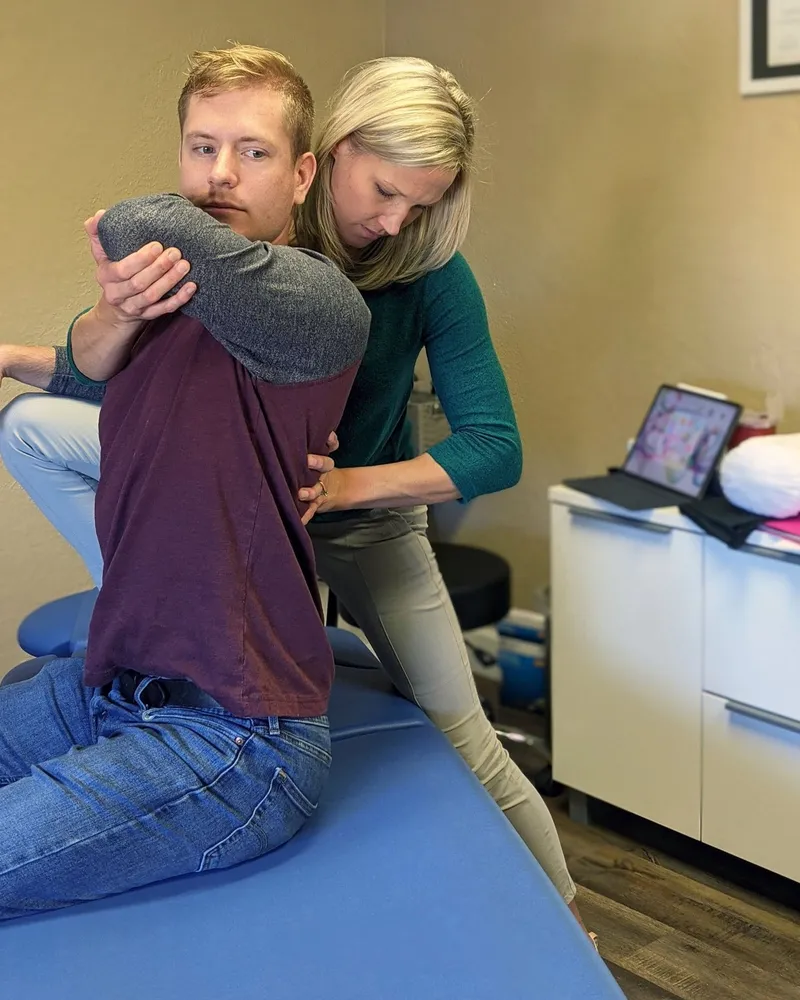
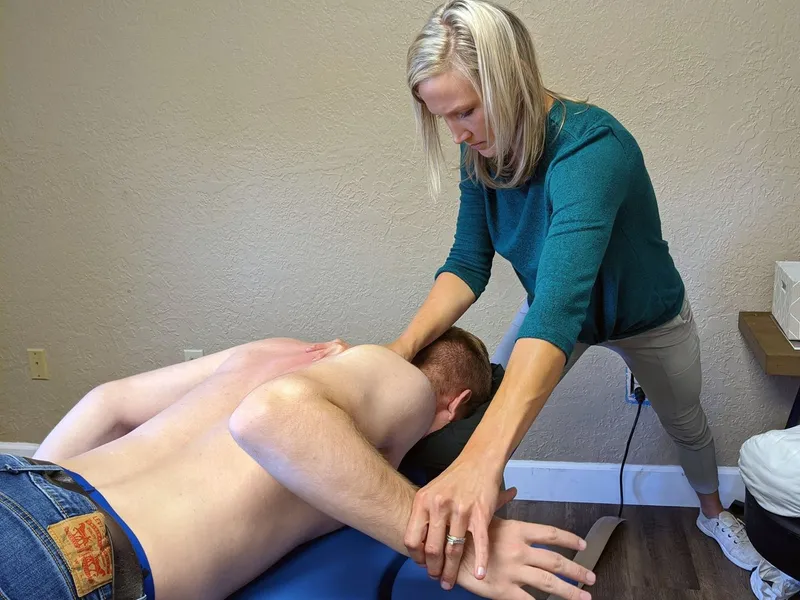
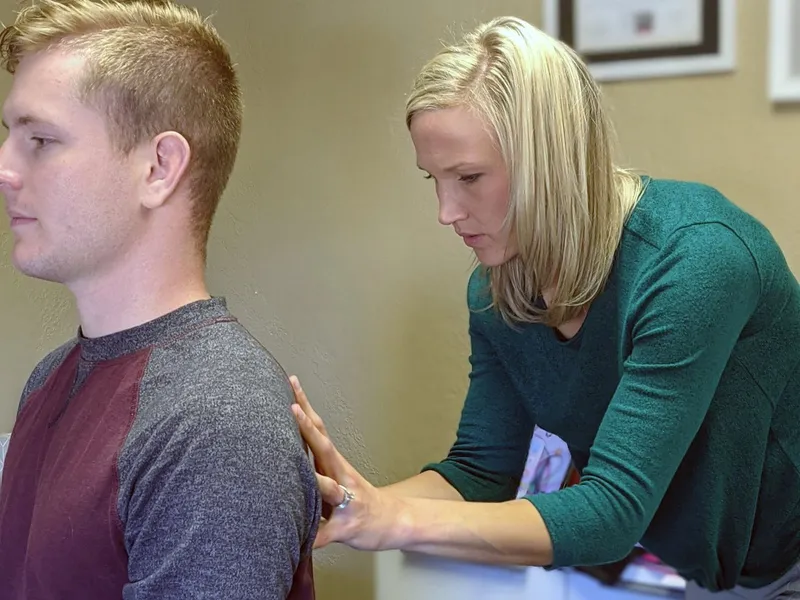
We do not treat arthritis as a reason to stop moving. Your evaluation looks at the painful joint and at the hips, spine, feet or shoulders that share its load, because a stiff hip or weak glutes can make an arthritic knee work harder. Treatment is one-on-one for the full session with a doctor of physical therapy (DPT) or licensed physical therapist assistant (PTA).
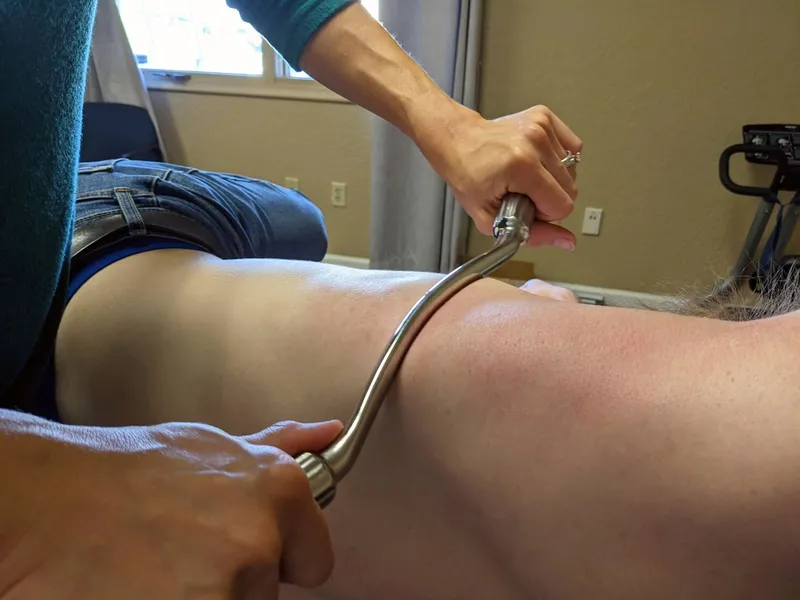
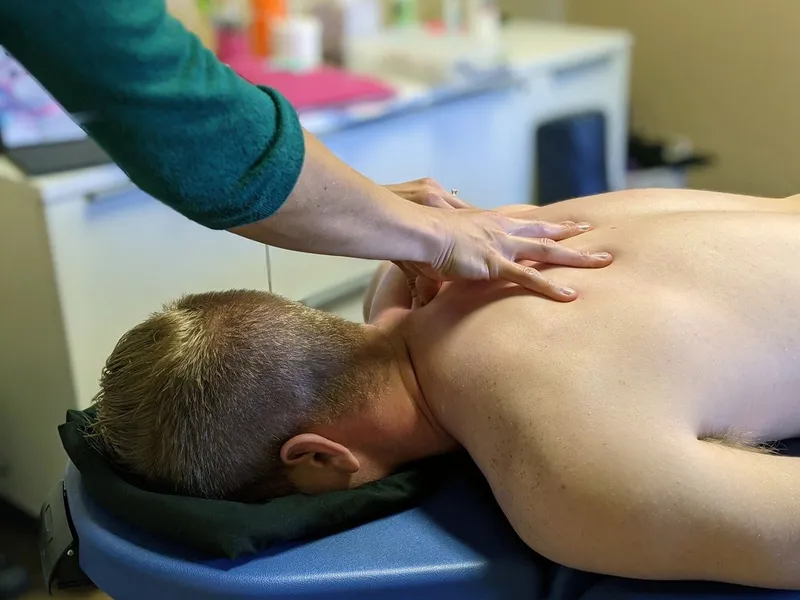
Joint mobilization and soft tissue work can ease stiffness, and dry needling may help calm muscles that have been guarding a sore joint. Muscle Activation Techniques begin with a muscle-specific range of motion assessment, which helps us find the muscles that are not supporting the joint well and get them working again. From there, we build corrective strength and mobility work you can keep doing long after your visits end. The aim is not a quick fix. It is a body that supports your joints better, so you can keep walking, hiking the foothills, golfing or getting down on the floor with the grandkids.
You do not need a physician referral to start physical therapy in New Mexico. Most patients come in once a week, and a few benefit from twice. Between visits, you follow a home program built for your body and your goals, so the work keeps going outside the clinic.
A phone consultation comes first. Then a 1 hour 15 minute evaluation looks at your joint motion, strength, how you walk and move, and what you want to get back to doing.
Full treatments of about 50 minutes pair hands-on care with targeted exercise. We start where your joints are comfortable and progress strength and mobility as they respond.
You leave with a home program built around your joints and your goals, so the progress you make in the clinic carries into daily life.
Everyone I have worked with has been kind, knowledgeable, and eager to help me recover my strength. They listen and address my concerns. I highly recommend them.

Stiff or unstable joints limit what you can do. We restore motion and build support around them.

Hip and knee pain often share a cause. We assess the whole chain, not just the sore spot.

Pain that lingers for months needs a different approach. We look for the root cause.