Stiff in the morning, sore after activity, and never sure which joint will complain next. If joint pain has started shrinking your days, there is more to do than rest and wait.
Joints hurt for many reasons, and the joint that aches is not always the one at fault. Healthy joints depend on the muscles around them to absorb force and guide movement. When those muscles are weak, tight, or not communicating well with the nervous system, the joint carries load it was never meant to. We look at the whole body to find where that breakdown started.
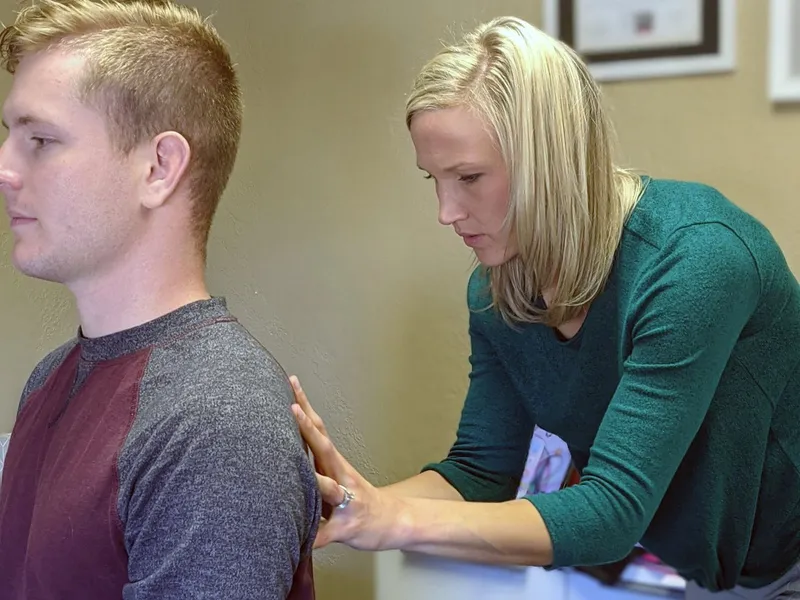
Arthritis is wear and change in the cartilage and bone of a joint, most often in the knees, hips, hands, and spine. It brings stiffness after rest and aching after activity. Imaging changes do not always match symptoms, and the strength and mobility around the joint have a big influence on how it feels.
Stress, past injuries, and overuse can disrupt communication between the nervous system and the muscles. A muscle that is slow to contract cannot protect the joint it crosses, and a common sign is limited range of motion. This is exactly what Muscle Activation Techniques are designed to assess.
Doing a lot more than usual, such as a weekend of yard work, a new workout, or a long hike, can irritate joints that were not conditioned for it. Repeated without recovery, that irritation becomes a cycle of flare-ups.
Sprains and dislocations can stretch the ligaments that hold a joint together. If the surrounding muscles never regained their strength and control, the joint stays a little loose, and that extra motion irritates it over time.
When one area stiffens or hurts, the body quietly finds another way to move. A stiff ankle changes how the knee works, and a stiff mid-back loads the shoulder. Those workarounds spread stress into new joints, which is why joint pain often seems to move around.
Swelling in a joint inhibits the muscles around it and limits motion. Inflammatory conditions such as rheumatoid arthritis or gout need medical management, and physical therapy works best alongside that care. A hot, red, or suddenly swollen joint should be checked by a physician.
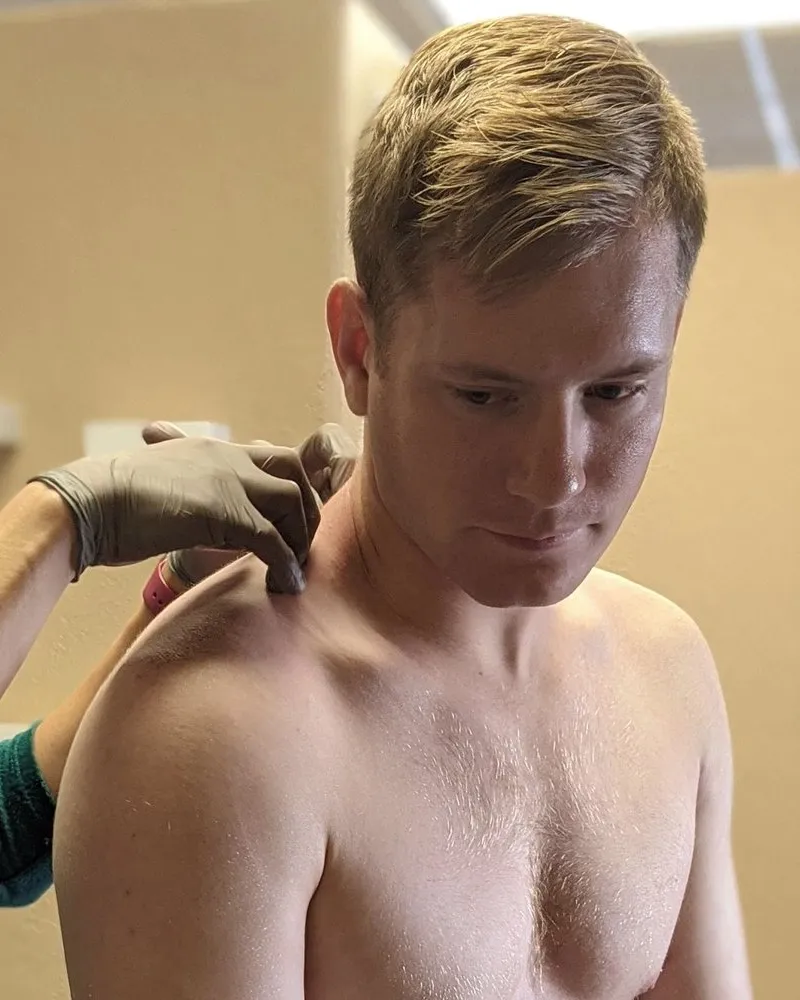
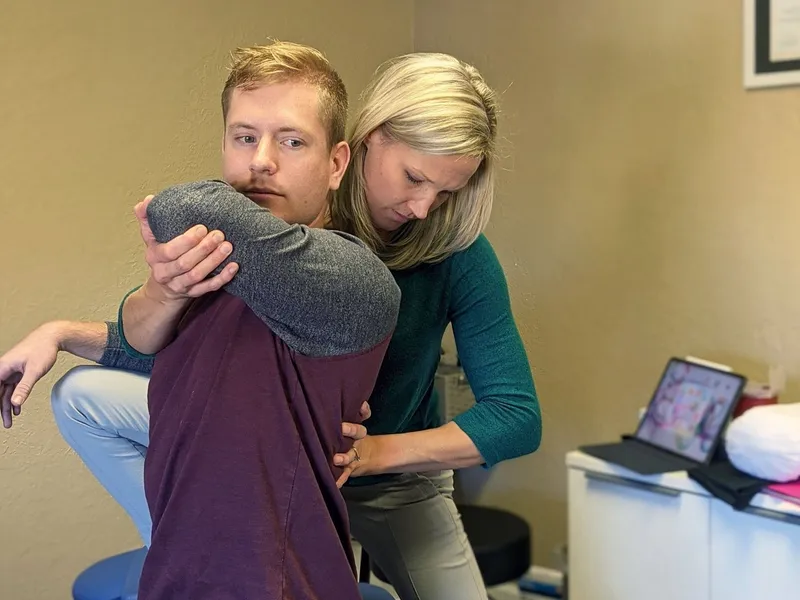
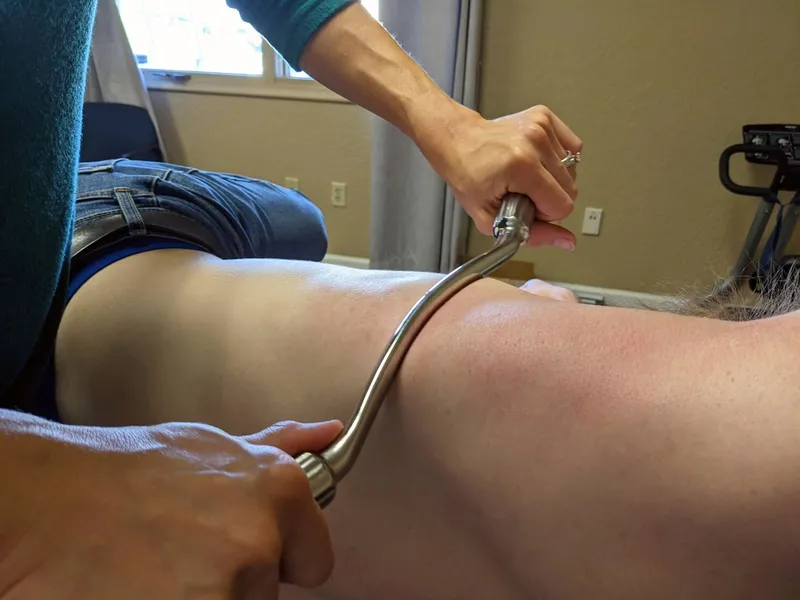
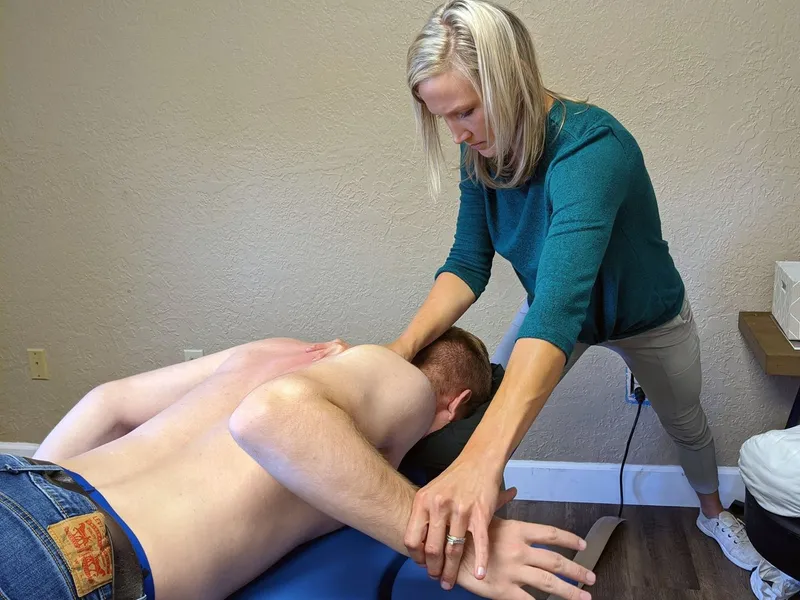
Joint pain is easy to write off as age or bad luck. We see it differently. At Maximum Impact, your evaluation looks beyond the sore joint to the muscles, mobility, and movement habits around it, so we can treat the root cause rather than offer temporary relief. Each visit is one-on-one with your doctor of physical therapy (DPT) or physical therapist assistant (PTA), and a full treatment runs about 50 minutes. Depending on what we find, care may include Muscle Activation Techniques to restore muscle contraction and joint stability, NEUBIE neuro stimulation to find and retrain areas where nerves and muscles are not connecting, integrative dry needling for guarded muscles, and joint mobilization to restore motion. Corrective exercise and progressive strength and mobility work then give your joints the support they need for daily life.
A phone consultation comes first, so we can confirm we are the right fit. Your 1 hour 15 minute evaluation includes muscle-specific range of motion testing, strength, posture, and a look at how you move during the tasks that hurt.
Treatment combines hands-on techniques, joint mobilization, and muscle activation to reduce pain and restore motion. Each session builds on the last as the joint starts moving more freely.
We progress strength, stability, and mobility so your joints stay supported. You get a home program that fits your routine, and most patients need about one session per week. Ongoing coaching through personal training is available if you want it.
Always get relief from knee and leg pain. Their knowledge, skill and caring are amazing. So glad to have them for my PT.

Arthritis is one of the most common causes of joint pain. Strength and mobility work can change how an arthritic joint feels day to day.

The hips and knees carry your weight all day. When they hurt, we look at the whole leg, from the foot to the trunk.

The shoulder is the most mobile joint in the body, which also makes it one of the easiest to irritate.